
A safe space
Ask questions, explore ideas, try new things, and make mistakes without having to know all the answers.
Kaizend Leadership Program
PythonPH’s Core Volunteer Leadership Program
Kaizend is PythonPH's continuous improvement and leadership development program for core volunteers.
It was created to develop capable, well-rounded community leaders, enable leadership succession, and ensure the long-term sustainability of PythonPH as a volunteer-run organization.
We believe that personal growth and meaningful community contributions can go hand in hand. Through hands-on experience, continuous learning, and collaboration, our volunteers develop their technical skills, soft skills, and life skills while helping the Python community grow.
We welcome both technical and nontechnical contributors who are drawn towards self-improvement and making a difference.
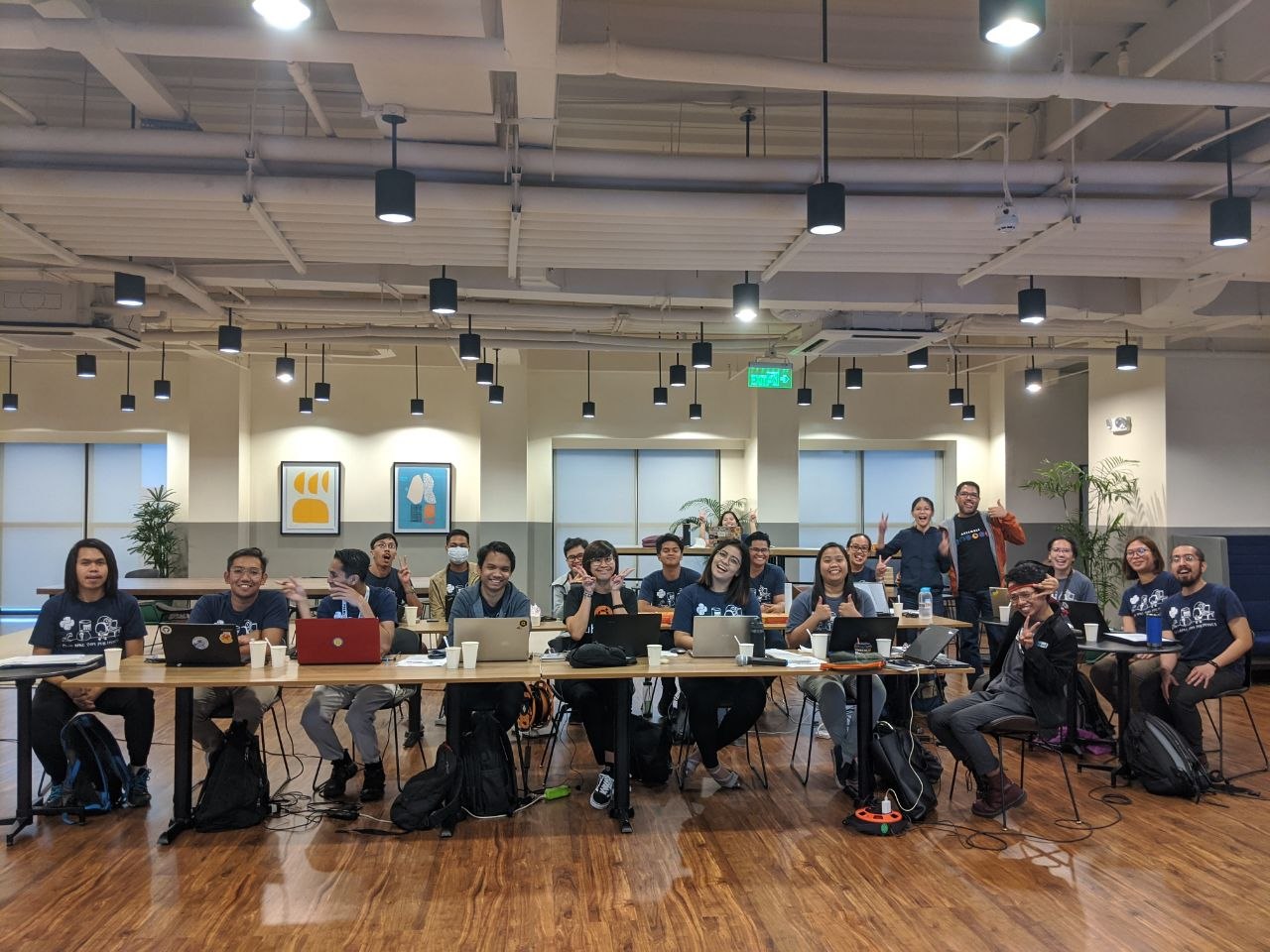
Think of Kaizend as a safe space, a training ground, and a support system.
Ask questions, explore ideas, try new things, and make mistakes without having to know all the answers.
Push yourself outside your comfort zone. Develop your technical, leadership, and life skills through hands-on experiences and new challenges.
Surround yourself with people you can learn from, exchange ideas with, and turn to for guidance. Help one another learn and improve.
Through PythonPH, you'll have opportunities to apply what you've learned, take on real responsibilities, and create something of value for the wider Python community.
Or, as developers would say, push to production!
Past Kaizend learning experiences include personal development, collaborative learning, and hands-on technical workshops.
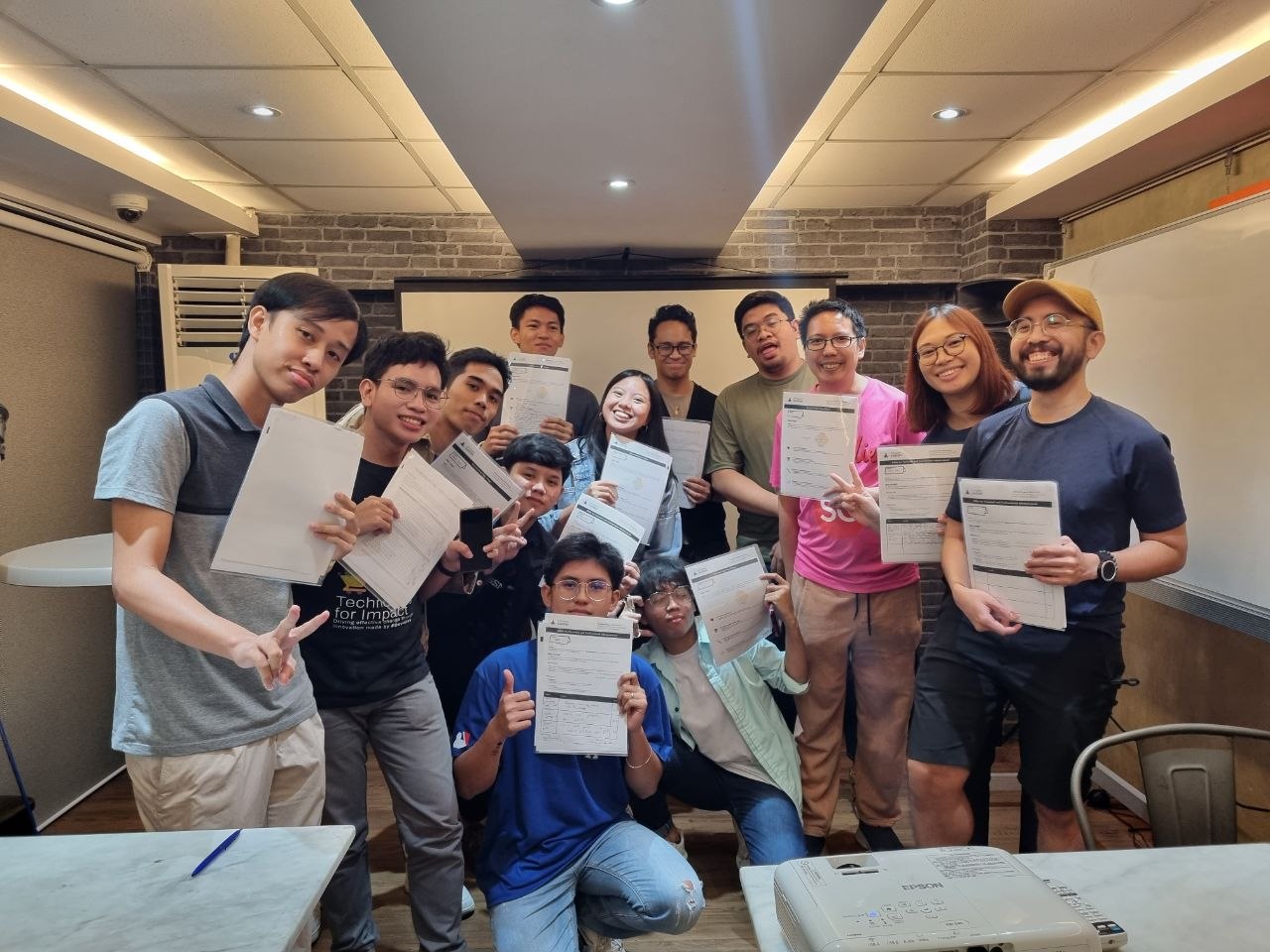
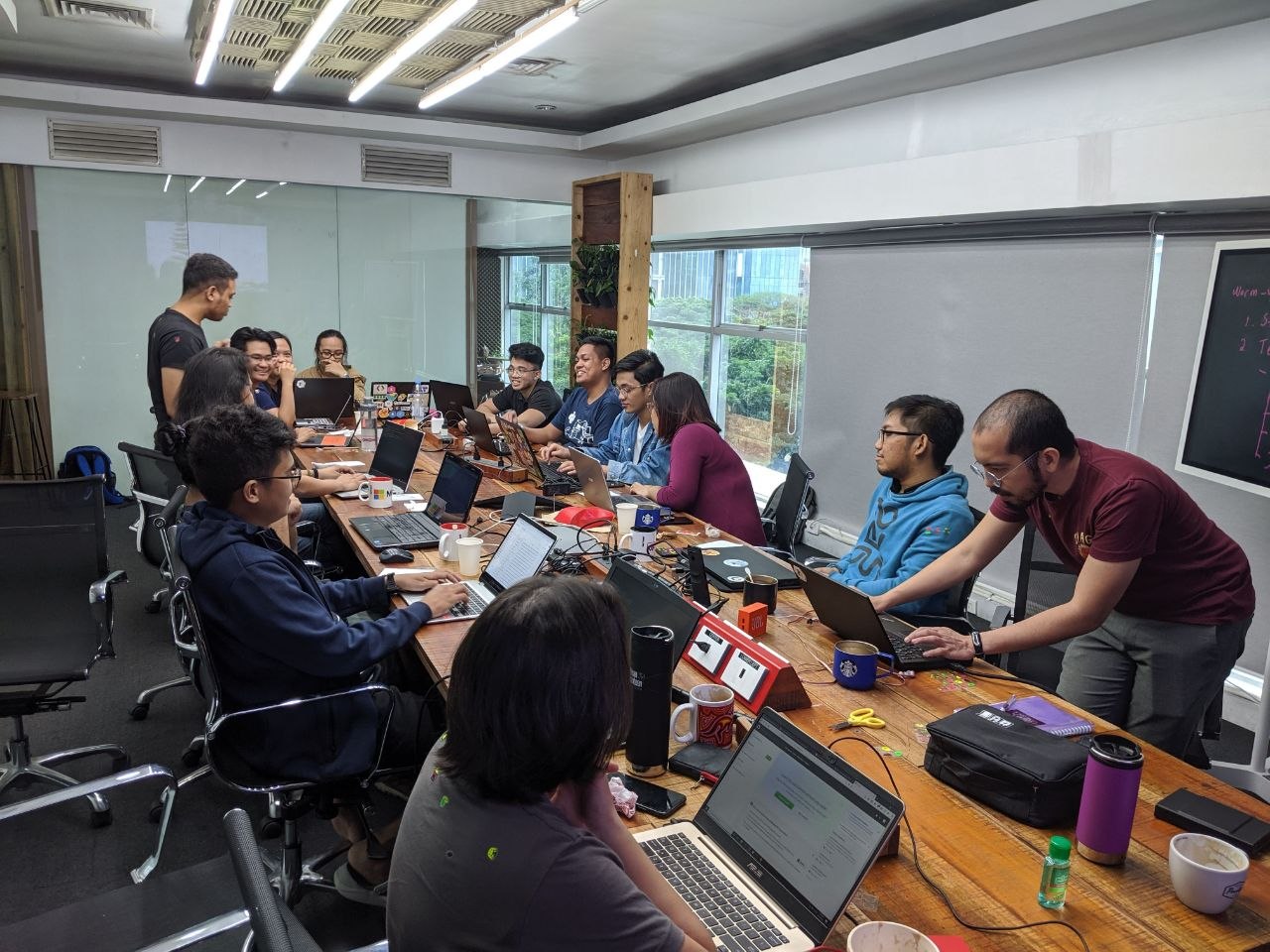
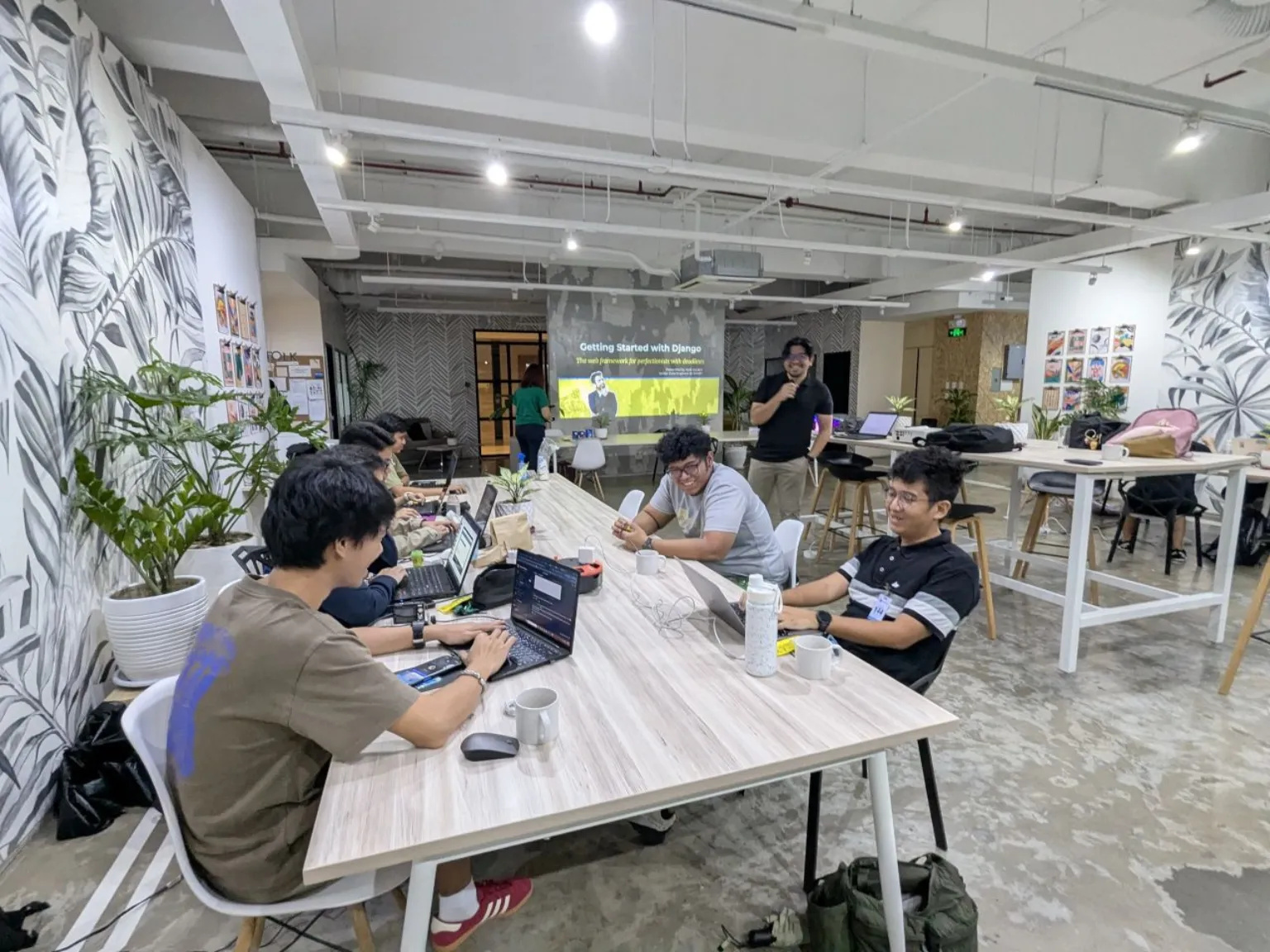
A program where volunteers pursue an open-source Python project based on their deep-seated interests, at the edge of what they already know, at their own pace and simply for the sake of learning.
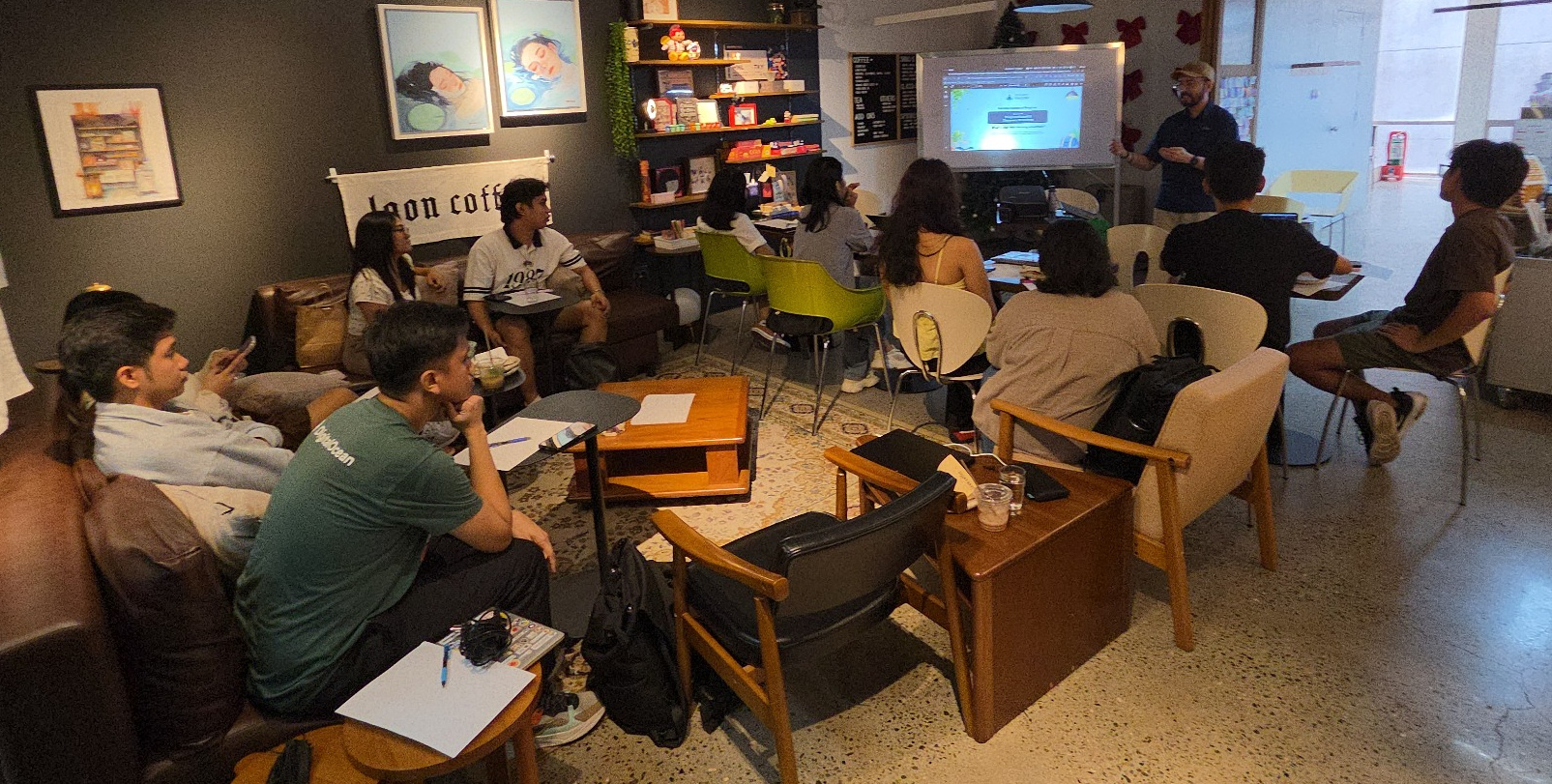
Improvement is an ongoing rhythm built into how we work and who we become.
"Kaizen" is Japanese for "to improve". Kaizend is PythonPH's CI Framework for Volunteers. (CI = Continuous Improvement)
The "d" is based on the Unix convention for a daemonized process or in our case, something that we always seek to do. We are a group who seeks to improve as a way of life.
In essence, it symbolizes balance. impact. growth. calm.
In designing Kaizend, we drew inspiration from the Salesian Oratory model, adapting its principles to our community of volunteers.
We wanted Kaizend to be:
Board ⇄ Kaizend ⇄ Seasonal Volunteers ← Wider Community
Kaizend provides continuity within PythonPH's volunteer-run organization.
While the Board of Trustees provides governance and strategic direction, core volunteers help carry out the organization's programs, maintain its operations, mentor seasonal volunteers, and develop future leaders.
This structure allows PythonPH to continue operating and growing even as individual volunteers and leaders change over time.
Throughout the year, core volunteers organize and deliver PyCon, work with seasonal volunteers, reflect on what they learn, and prepare future leaders and committees. Timing may shift with PythonPH's activities; community work continues beyond PyCon season.
Core volunteers lead committee work, deliver PyCon programs, and work alongside and mentor seasonal volunteers.
We reflect on the year's work, document lessons learned, and identify and nurture potential core volunteers.
Volunteers transfer knowledge and responsibilities, new chairs step up, and committees prepare for the next cycle. Core volunteers reconnect at Kaizend Team Building.
Kaizend is a two-way investment — as you contribute to the community, we help you grow as a leader, technologist, and human being.
@kaizend.org email address for organization-related communication and applicable nonprofit app discounts.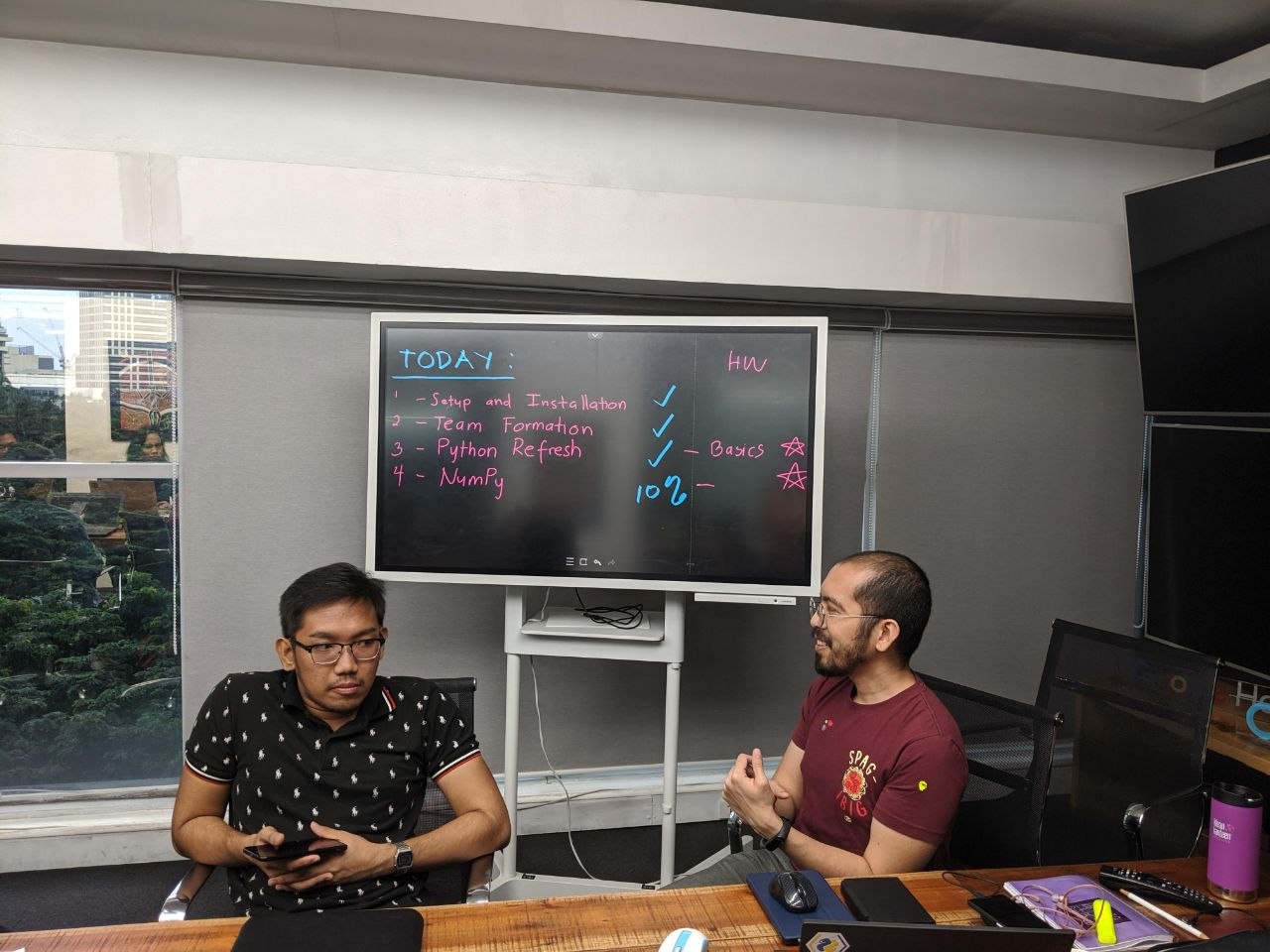
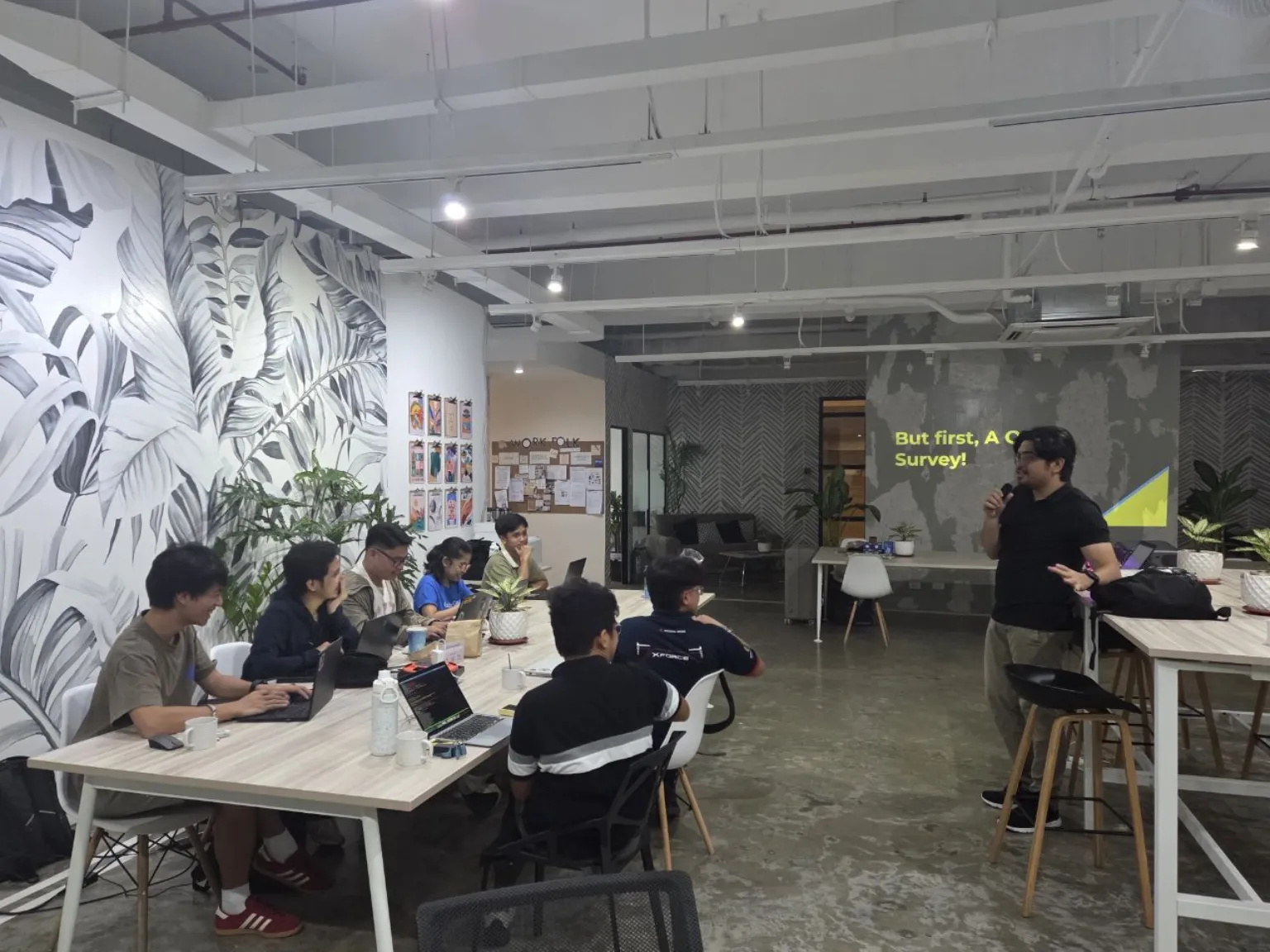
Being part of Kaizend means taking an active role in building and sustaining PythonPH — not just during PyCon season, but throughout the year.
We don't expect you to dedicate all your free time to volunteering. We do expect you to be intentional about the time and commitments you give to the community.
To maintain good standing as a core volunteer, members are expected to fulfill all three requirements annually:
Further details are outlined in the PythonPH Core Volunteer's Handbook.
Active volunteers who’ve shown initiative, teamwork, and genuine care for the community. Candidates are usually nominated by current core members.
Core volunteers are invited from people who have contributed consistently to PythonPH and worked well with others. A current core volunteer or committee head typically vouches for and mentors a candidate while their contributions are evaluated. An invitation is not automatic; it depends on peer agreement and available capacity in the core group.
Core volunteers take on an ongoing commitment to PythonPH, contributing to its operations, events, and initiatives throughout the year. They help provide continuity, mentor other volunteers, and develop future community leaders.
Seasonal volunteers contribute their time and skills to specific events, projects, or initiatives based on their interests and availability.
Both play important roles in sustaining and growing the PythonPH community. You don't have to be a core volunteer to make a meaningful difference.
We don't impose a fixed number of volunteer hours. The time commitment varies depending on your role, responsibilities, and the activities your team is working on.
We encourage core volunteers to take on responsibilities they can realistically sustain alongside their work, studies, and personal lives.
What matters is that you actively contribute, follow through on your commitments, and communicate with your team. We value autonomy, reliability, and respect for each other's time.
Core membership is an ongoing commitment, and volunteers are expected to understand and fulfill the upkeep requirements in the Core Volunteer's Handbook. If your capacity changes or you need a break, communicate this with the team.
If someone has been inactive for an extended period, we reach out to check in. Continued inactivity or persistent inability to meet core commitments may lead to removal from the core following a review; a brief absence alone does not trigger removal.
Past contributions remain valued. Stepping down from the core does not mean leaving PythonPH: former core volunteers are welcome to contribute as seasonal volunteers or attend community events.
No. We value organizers, creatives, and educators — anyone who makes PythonPH more inclusive, sustainable, and impactful.
Behind PythonPH is a dedicated group of core volunteers who give their time, energy, and skills to keep the community going.
Your donation supports Kaizend program in creating opportunities for our core volunteers to develop their technical and leadership skills, grow as individuals, and sustain their contributions to the community.
When we invest in the people who do the work, the whole community benefits.
Interested in supporting Kaizend or exploring a partnership? Contact us.